Repair the system you have. Plan the one you need next.
Most of our work is repair, and we would rather fix a sound system than sell a new one. This page explains how we tell the difference, so the recommendation never comes as a surprise.
If something stopped working
Start with a repair visit. The technician diagnoses the fault, writes up the options, and tells you honestly if the repair is worth making.
- Heat or cooling has stopped
- Water, ice, or a burning smell
- Breaker trips when the system starts
If you are planning ahead
Start with a replacement consultation. We measure, look at the ducts and the electrical panel, and come back with written options.
- The system is old and you want a plan before it fails
- You are adding air conditioning or a heat pump
- You are renovating or finishing a basement
Four questions we ask before recommending new equipment.
01How old is the equipment?
Age alone does not condemn a system, but furnaces past roughly 18 to 20 years and air conditioners past 12 to 15 have usually given most of what they have.
02Is this the same problem again?
A second or third visit for the same failure is a sign the cause is bigger than the part, often airflow, sizing or wiring.
03Is the house comfortable when it works?
If rooms were never even, a like-for-like replacement will not fix it. That points to ductwork or a different kind of system.
04What does the repair cost against the system's value?
We put the repair price next to a rough replacement range so you can see the trade-off, not just the invoice.
The systems, in a sentence each.
You do not need to know the vocabulary to ask for help, but it makes estimates easier to compare.
- Furnace
- Burns gas or oil to heat air, which a blower pushes through ducts. Pairs with central air for cooling.
- Boiler
- Heats water for radiators or baseboard. Quiet and even, but cooling needs a separate system.
- Central air
- An outdoor condenser and an indoor coil, sharing the furnace's ducts and blower.
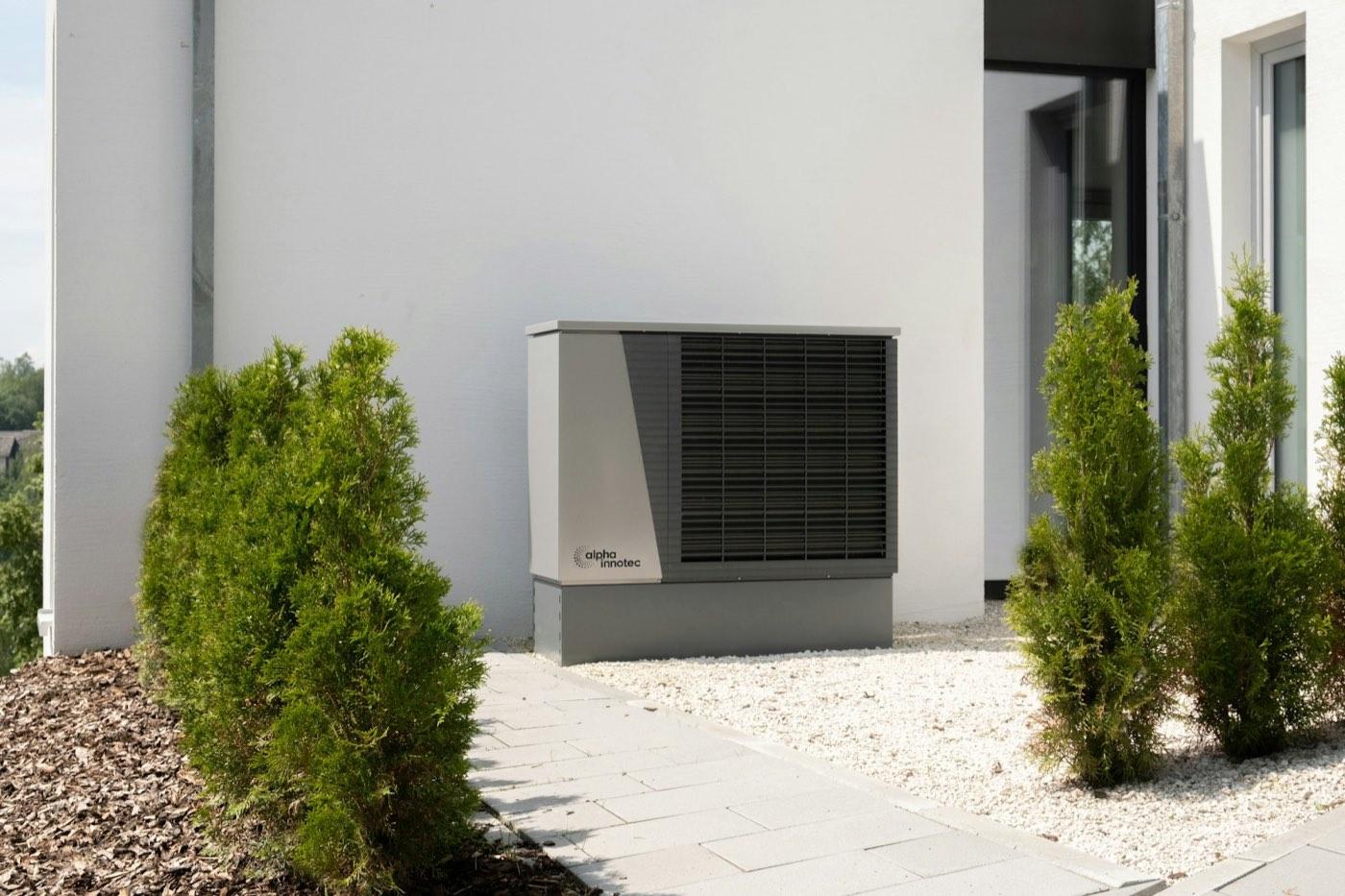
- Ducted heat pump
- Heats and cools through existing ducts using electricity. Cold-climate models work well into single digits.
- Ductless heat pump
- Wall or ceiling heads in individual rooms, fed by an outdoor unit. Good for additions and homes without ducts.
- Dual fuel
- A heat pump for most of the year, with a gas furnace that takes over on the coldest days.
How a replacement project runs.
Consultation
About an hour at the house. Rooms, ducts, panel, and what bothers you about the current system.
Written options
Usually two or three, each listing equipment, scope, and what changes for you.
Scheduling
A firm install date, and what to move or clear before the crew arrives.
Installation
Typically one to three days. The old equipment is removed and the area cleaned.
Walkthrough
How to use the thermostat, what normal sounds like, and when the first maintenance is due.